2026 Bathroom Remodel Cost Breakdown: Full Pricing, Budget Hacks & ROI You Can Actually Bank On
If you’ve stared at your outdated bathroom and wondered exactly how much a refresh will set you back in 2026, you’re far from alone. Bathrooms are the most compact yet complicated room in any American home—packed with plumbing, electrical wiring, waterproofing, and tile labor that drives up per-square-foot costs faster than any other living space. This year’s market brings two major pricing headwinds: nationwide skilled trades shortages pushing hourly labor rates higher, plus new import tariffs on cabinetry that have lifted fixture and storage prices by 20% to 28% across most retail lines. Industry analysts project total U.S. home improvement spending will hit $526 billion by early 2026, with bathroom remodels ranking among the top three most popular projects for homeowners.
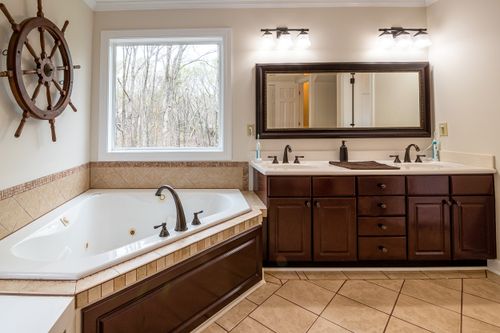
This actionable guide breaks down every cost tier, size-based pricing, hidden expense breakdowns, money-saving tactics, and clear ROI projections to help you build a realistic budget and maximize your home’s resale value.
1. Three Core Remodel Tiers: Cost Ranges & Project Scope
Your total bill hinges entirely on how extensive your renovation scope is. We’ve sorted national average pricing into three straightforward tiers based on thousands of Angi, Houzz and NKBA project reports:
表格
Cost by Bathroom Size & Type
Square footage heavily impacts your quote, and small bathrooms often carry a higher per-square-foot markup because fixed labor and permit fees don’t shrink with room size. Per-square-foot rates run $80–$120 for budget work and $300–$500+ for luxury finishes.
表格
2. Full Cost Breakdown: Where Every Dollar Goes
Across all renovation tiers, the standard budget split lands at roughly 50% labor, 40% materials, and 10% reserved for permits, design fees and contingency funds for hidden damage uncovered mid-project.
Core Budget Allocation
- Labor (40%–65% of total cost) Licensed plumbers, electricians, tile setters and general contractors charge $45–$200+ per hour in 2026. Shifting plumbing lines, reworking electrical circuits and waterproofing showers require certified tradespeople; cutting corners on labor leads to costly leaks and repairs down the line—industry data shows over 70% of long-term bathroom failures stem from shoddy workmanship.
- Materials (30%–50% of total cost) Cabinetry, wall/floor tile, shower/tub inserts, countertops and toilets make up the bulk of your material spend. Below is tiered pricing for key components: | Component | Budget Grade | Mid-Range Grade | Premium Luxury Grade | | ---- | ---- | ---- | ---- | | Bathroom Vanity | $200 – $800 | $800 – $3,500 | $3,500 – $7,000+ | | Countertop Surface | $100 – $500 | $500 – $1,500 | $1,500 – $4,000+ | | Toilet | $100 – $300 | $300 – $600 | $600 – $1,500+ | | Shower & Tub System | $200 – $1,000 | $1,000 – $3,000 | $3,000 – $8,000+ | | Floor/Wall Tile (Per sq ft) | $1 – $5 | $5 – $15 | $15 – $50+ |
- Permits & Design Fees (5%–10%) Most cities mandate plumbing/electrical permits for full remodels, with fees averaging $400 to $1,500 nationwide. Professional interior design add-ons push this number higher for luxury projects.
- Contingency Buffer (10%–20% Non-Negotiable) Old homes frequently hide rotted subfloors, mold water damage, outdated wiring or faulty framing once demo begins. Around one-third of homeowners report final project costs exceeding initial contractor estimates, so this reserve fund prevents budget collapse.
3. 6 Major Factors That Blow Up Your Renovation Budget
- Layout & Plumbing Relocation Moving sink, toilet or shower pipes adds 20%–30% to your total cost instantly. Keeping all fixtures in their original positions is the single biggest way to cut expenses without sacrificing quality.
- Material Finish Grade Upgrading from basic laminate to natural marble or custom solid wood cabinetry can double or triple your overall project price tag; mid-tier materials deliver the best balance of durability and value for most homeowners.
- Geographic Location Gap National averages don’t reflect regional pricing swings. A $12,000 mid-range remodel in Midwest rural areas can jump to $18,000–$75,000+ in coastal metro hubs like New York City, San Francisco and Seattle due to higher labor and material delivery fees.
- Age of Your Home Pre-1980 homes carry hidden risks: mold, outdated galvanized pipes, ungrounded electrical and rotted framing discovered during demolition drive unplanned extra charges.
- Local Labor Shortages Demand for licensed trades remains sky-high in 2026; contractors can charge premium rates for fast-track timelines or weekend work.
- Custom vs. Off-the-Shelf Fixtures Custom cabinetry, oversized glass shower panels and one-of-a-kind tile murals carry massive markup compared to standard ready-to-install products.
4. Expert Money-Saving Strategies (No Cheap Shortcuts)
You can slash tens of thousands from your remodel without sacrificing long-term durability or visual appeal with these proven tactics:
- Lock all plumbing fixtures in their original spots to avoid costly pipe re-routing (20–30% total savings).
- Refinish instead of fully replacing worn tubs and tile surrounds: reglazing costs just $400–$1,000 and delivers 85–100% ROI, far cheaper than full tear-out.
- Pick cost-effective lookalike materials: vinyl plank flooring mimics high-end tile at a fraction of the cost; large-format tiles cut down grout lines and installation labor hours.
- Handle non-specialized demolition yourself (remove old mirrors, vanity cabinets, tile debris) to trim labor bills—always leave plumbing, electrical and waterproofing to licensed pros.
- Schedule renovations during slow winter off-seasons; many contractors offer discounted hourly rates to fill empty schedules.
- Mandate a 10–20% contingency fund in your written contractor quote to cover unexpected hidden damage.
5. Resale ROI Breakdown: Which Upgrades Add Real Home Value
Bathroom remodels consistently land in the top tier of home improvement investments, with clear ROI differences based on project scale. Per 2026 Remodeling Magazine Cost vs. Value Report:
表格
ROI Ranked by Individual Upgrade (Best to Lowest Return)
- Fresh paint + updated hardware: $300–$1,000 cost, 90–100% ROI
- Tub/tile reglazing: $400–$1,000 cost, 85–100% ROI
- New vanity & countertop swap: $800–$3,500 cost, 80–100% ROI
- Frameless glass shower door: $800–$2,500 cost, 75–90% ROI
- Full floor tile replacement: $1,000–$3,500 cost, 65–80% ROI
Zillow’s 2026 housing research confirms every $1 spent on a balanced mid-range bathroom remodel adds roughly $1.71 to your home’s overall market value, making mid-tier renovations the sweet spot for homeowners planning to sell within 5 years. Luxury overhauls deliver less percentage-based ROI, though they create lifelong daily comfort for families staying in place for a decade or longer.
Final Key Takeaways for 2026 Homeowners
- Set realistic baseline budgets: Standard full remodels land between $6,600 and $18,000; mid-range average $25,000, while luxury spa baths start at $40,000 and can exceed $100,000.
- Labor remains your biggest expense category (40–65% of total spend); material quality and city location create massive price swings.
- The single most impactful cost control rule: Never move existing plumbing fixtures unless absolutely necessary. Prioritize refinishing over full replacement wherever possible.
- Always reserve 10–20% of your total budget as contingency for hidden structural or water damage surprises.
- If resale value is your top priority, stick to mid-range neutral finishes and minor cosmetic updates—these deliver the highest percentage ROI when listing your house.
- Never skip licensed professional contractors for plumbing, electrical and waterproofing work; cheap uncertified labor guarantees expensive repair bills in just a few years.